Source Bubble Water Toy For Kids For Beach, Park, And Home
Explore 30 bubble water toy for kids options from Guangdong suppliers. Compare plastic wands, robot swords, and beach sets with ENASTM and CE certifications. Find models like DD5767 and TK088413 for various age groups; compare the available evidence and request quotations based on your requirements.
Key considerations
Products List




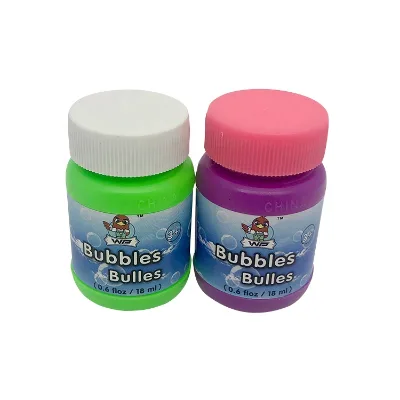

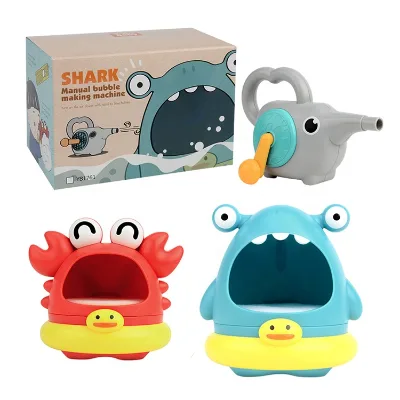


Comprehensive Sourcing Guide
Bubble Water Toy for Kids Sourcing Guide
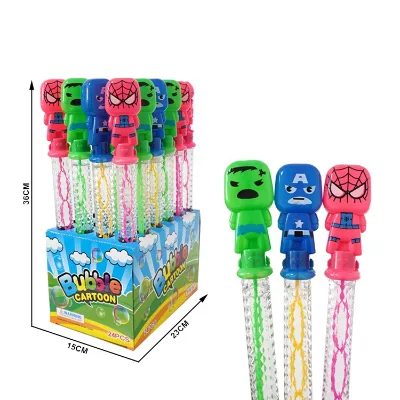
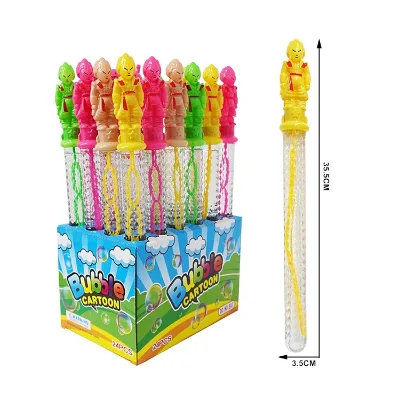
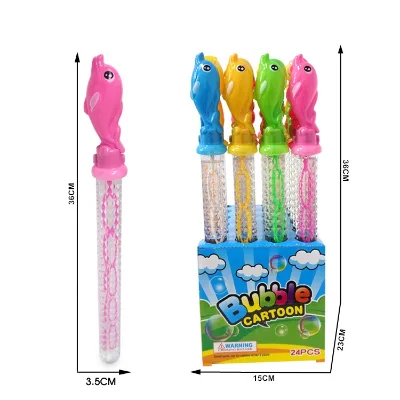
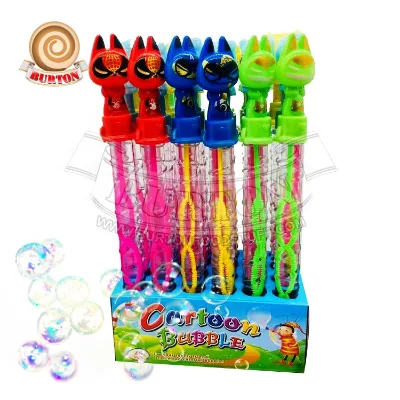
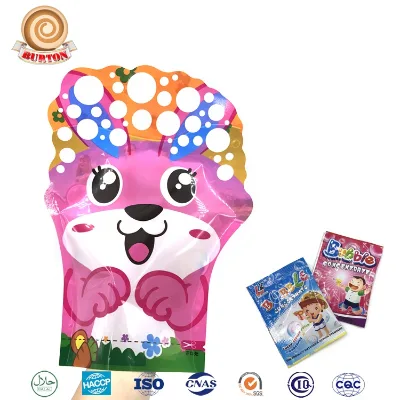
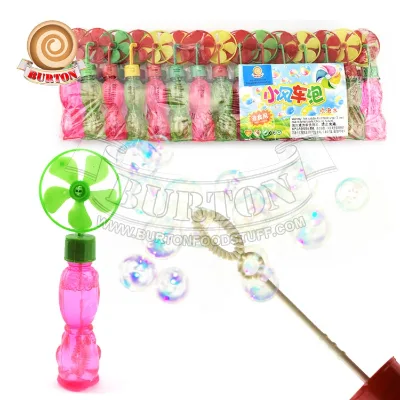
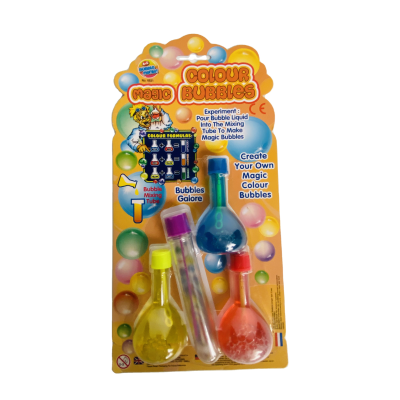
The market for bubble water toys for kids presents a diverse array of options ranging from simple wands to complex set configurations. Buyers observe products like cartoon character printing wands and robot figurine swords, which cater to various age groups from infants to teenagers. These items are primarily manufactured in Guangdong, China, utilizing plastic materials to ensure durability and safety during outdoor play. The variety in design, including dolphin shapes and beach tool sets, allows retailers to target specific seasonal demands and demographic preferences effectively.
Procurement strategies must account for the significant variation in minimum order quantities and packaging formats observed across listings. While some single-item wands have lower entry thresholds, bulk sets like the 48-piece beach tool collection often require orders measured in cartons or specific piece counts. Understanding these commercial structures is essential for managing inventory costs and ensuring that the selected products align with the retailer's storage capabilities and sales volume expectations.
Product Scope and Observed Listing Signals
Buyers should verify the specific functional attributes of each product, noting that some listings emphasize bringing joy through simple play while others focus on intellectual engagement. The observed product names indicate a strong trend toward character-based designs, such as cartoon figures and robots, which serve as key differentiators in a crowded marketplace. These thematic elements are critical for marketing, as they directly influence a child's interest and the subsequent purchase decision by parents or gift-givers.
The physical dimensions and material composition are vital signals for logistics planning and safety compliance. Listings show sizes ranging from compact 14cm tools to larger 36cm wands, all constructed from plastic to withstand rough handling. Retailers must confirm whether the product is sold as a single item or within a carton, as this impacts shipping costs and shelf presentation. The presence of multi-color options and specific styles like folding mechanisms further expands the potential application scenarios for these toys.
Technical Specifications to Verify
Technical due diligence requires a close examination of model numbers and precise dimensional data to prevent shipping errors and inventory mismatches. Specific models such as DD5767 and DD5764 feature distinct sizes, with the former measuring 364.5CM and the latter 35.53.5CM, indicating that even minor variations in length and width can affect packaging density. Buyers must cross-reference these specifications against their own logistical constraints to ensure that the selected SKUs fit efficiently into standard shipping containers and retail display units.
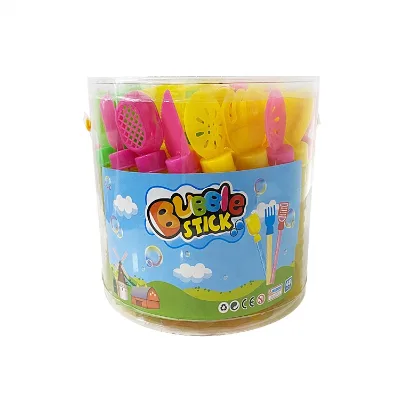
Packaging details and weight metrics are equally critical for calculating landed costs and handling requirements. Some products are packed in boxes within cartons, while others, like the beach tool sets, come in buckets that are then placed in cartons. The observed data includes specific carton dimensions and weight figures, such as a gross weight of 22kg for certain bulk shipments, which directly influences freight charges. Verifying the PCS per carton and total carton volume ensures accurate forecasting of storage space and distribution expenses.
Compliance and Safety Documentation
Safety compliance is non-negotiable for children's toys, and buyers must confirm that suppliers provide valid certification documents for the specific models they intend to purchase. The observed listings mention certifications such as ENASTM and CE, which are essential for market access in many regions. However, these certifications are not automatically guaranteed for every item in a supplier's catalog, so procurement teams must request test reports for each specific model number to verify that the plastic materials and small parts meet international safety standards.
Age range specifications must be rigorously matched with the product design to ensure appropriate usage and liability protection. The data indicates a wide spectrum of target ages, from 0 to 24 months up to 14 years and older, suggesting that safety requirements vary significantly between a toddler's bubble wand and a teenager's outdoor sword. Buyers should verify that the product description explicitly states the intended age group and that the design features, such as the absence of small detachable parts for younger children, align with the stated age recommendations to prevent choking hazards.
Cost Drivers and Commercial Terms
Pricing and minimum order quantities are the primary commercial drivers that dictate the feasibility of sourcing these toys. The observed MOQ ranges from as low as 10 cartons to as high as 2160 pieces, creating a wide spectrum of entry barriers for different types of buyers. Retailers with limited capital may need to focus on single-item wands with lower volume requirements, while larger distributors might leverage bulk orders of beach tool sets to achieve better unit economics and shipping efficiency.
Customization options represent a significant cost variable that can enhance brand value but requires careful budget management. Many suppliers offer logo printing and full-color customization, which allows retailers to create unique products that stand out in the market. However, these custom features often come with higher minimum order thresholds and potentially longer lead times. Buyers must balance the desire for branded products against the increased upfront investment required to meet the supplier's customization thresholds.
Supplier Qualification and Quality Control
Supplier qualification should focus on verifying the origin and production capacity of the manufacturer, as the majority of observed products originate from Guangdong, China. This region is a known hub for plastic toy manufacturing, but buyers must still assess the specific factory's quality control processes to ensure consistency across batches. Requesting samples of the plastic material and finished products is essential to evaluate the mold quality, color consistency, and overall durability before committing to a large order.
Quality control protocols must extend to the packaging and labeling accuracy to prevent customer complaints and returns. The observed data highlights specific packing instructions, such as "Box in Carton" or "Bucket in Carton," which must be strictly followed to prevent damage during transit. Buyers should implement a pre-shipment inspection that checks for correct model numbers, accurate age warnings, and proper certification labels on the packaging. Ensuring that the physical product matches the technical specifications provided in the listing is crucial for maintaining brand reputation.
Long-Term Procurement Checks
Sustainable procurement requires establishing a framework for ongoing performance monitoring and supplier relationship management. Buyers should track the consistency of product quality over multiple orders, noting any deviations in material strength or color fading that may occur with repeated use. Regular audits of the supplier's production lines and quality assurance records help identify potential issues before they escalate into large-scale recalls or customer dissatisfaction.
Market trends and product lifecycle management are essential for maintaining a competitive edge in the children's toy sector. The observed variety in styles, from folding wands to robot figurines, suggests that consumer preferences shift rapidly. Procurement teams must stay agile, regularly reviewing new model numbers and design innovations to ensure their inventory remains fresh and relevant. Building a flexible supply chain that can adapt to changing demand patterns and seasonal spikes is key to long-term success in this dynamic market.
FAQs
What materials are used for bubble water toy for kids?
The toys are primarily made from durable plastic to ensure safety and longevity for children. This material choice allows for vibrant cartoon character printing and robot figurine designs. The plastic construction supports easy play and withstands outdoor use. Multi-color options are available to appeal to various age groups. These features make the toys suitable for both indoor and outdoor fun.
Which certifications do these bubble water toy for kids have?
The products hold ENASTM, CE, and other relevant safety certifications. These standards ensure the toys meet international safety requirements for children. The certifications provide assurance for buyers regarding material safety and manufacturing quality. This compliance is essential for importing toys into regulated markets. Buyers can rely on these documented standards for product safety.
Can I customize the logo on bubble water toy for kids?
Yes, customization is available for these bubble water toy for kids. Buyers can request full color logo printing or logo stickers on the products. The customization options allow for brand integration and unique product identification. This service supports private labeling needs for retailers and distributors. Contact suppliers to discuss specific branding requirements and design files.
What is the typical MOQ for bubble water toy for kids?
The minimum order quantity varies by product model, typically ranging from 10 cartons to 1440 pieces. Specific models like the cartoon character wand have an MOQ of 1440 pieces. Other items may require a minimum of 10 cartons for bulk orders. Buyers should check the specific model requirements to determine the exact MOQ. This flexibility accommodates different order sizes and inventory needs.
Where are these bubble water toy for kids manufactured?
These bubble water toy for kids are manufactured in Guangdong, China. This region is known for its robust manufacturing capabilities and supply chain efficiency. The location supports consistent production quality and timely delivery for global orders. Buyers can expect reliable sourcing from this established industrial hub. The origin ensures access to a wide variety of toy designs.
What age ranges are suitable for bubble water toy for kids?
The toys are designed for a wide age range, from 0 to 24 months up to 14 years and older. Specific models cater to toddlers, preschoolers, and older children. The durable plastic construction ensures safety for younger users. Older children can enjoy the robot figurine and dolphin wand designs. This broad age suitability makes the products versatile for various retail segments.